A rash that keeps returning is not automatically proof that the fungus is resistant or that you need a stronger cream. By comparing the rash pattern, confirming the organism when needed, using treatment correctly, and removing reinfection sources, you can make SkinInfectionCare more effective and know when a different diagnosis or supervised oral medicine is required.
Key takeaways
- Do not treat every ring-shaped rash as fungal without clinical confirmation.
- Avoid steroid-antifungal combinations that can mask tinea and worsen spread.
- Keep skin folds dry and check household contacts, footwear, towels, and pets.
- Seek Pune dermatology care when scalp, nail, extensive, or recurrent infections persist.
Which Persistent Rashes Look Like Fungal Skin Infections?
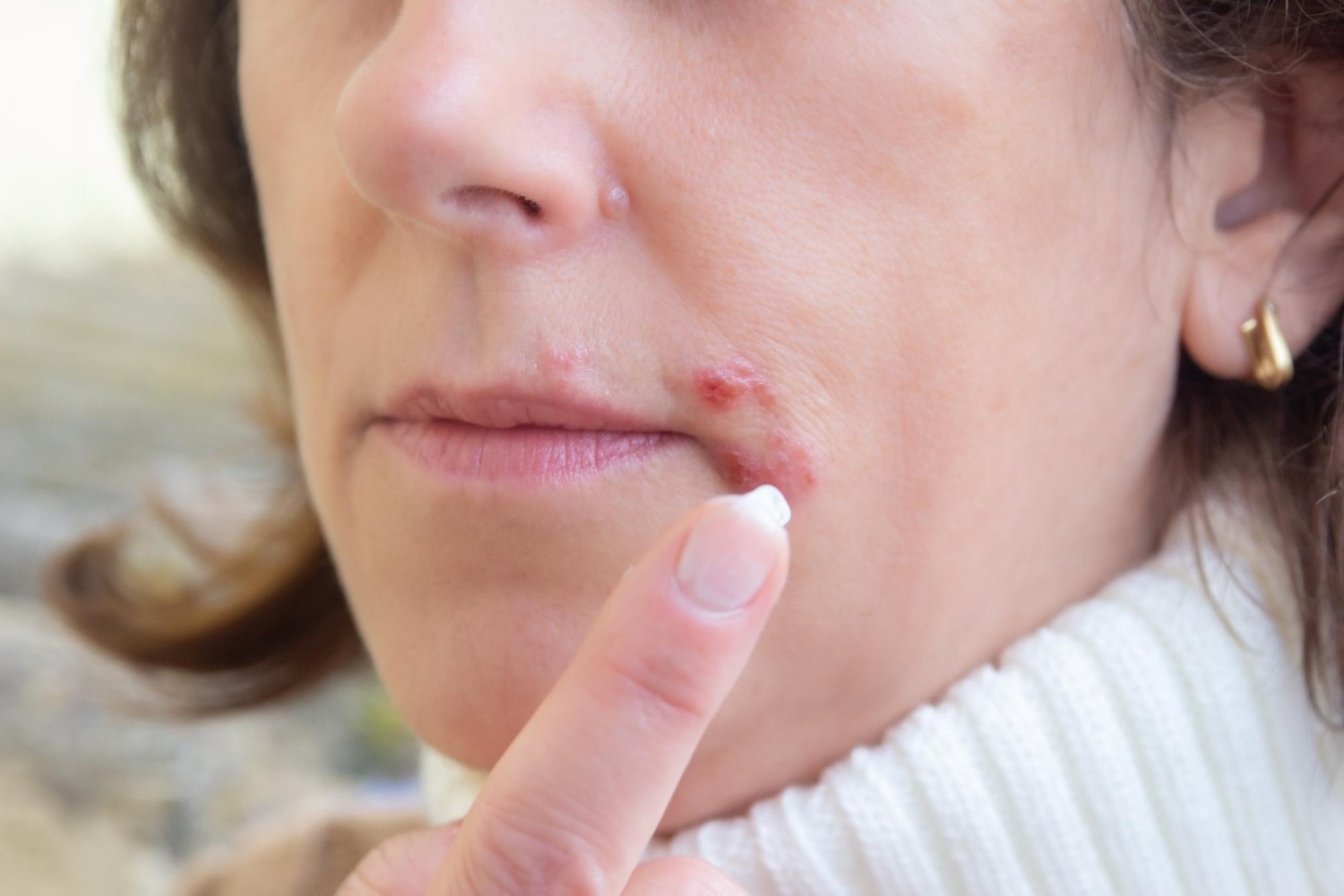
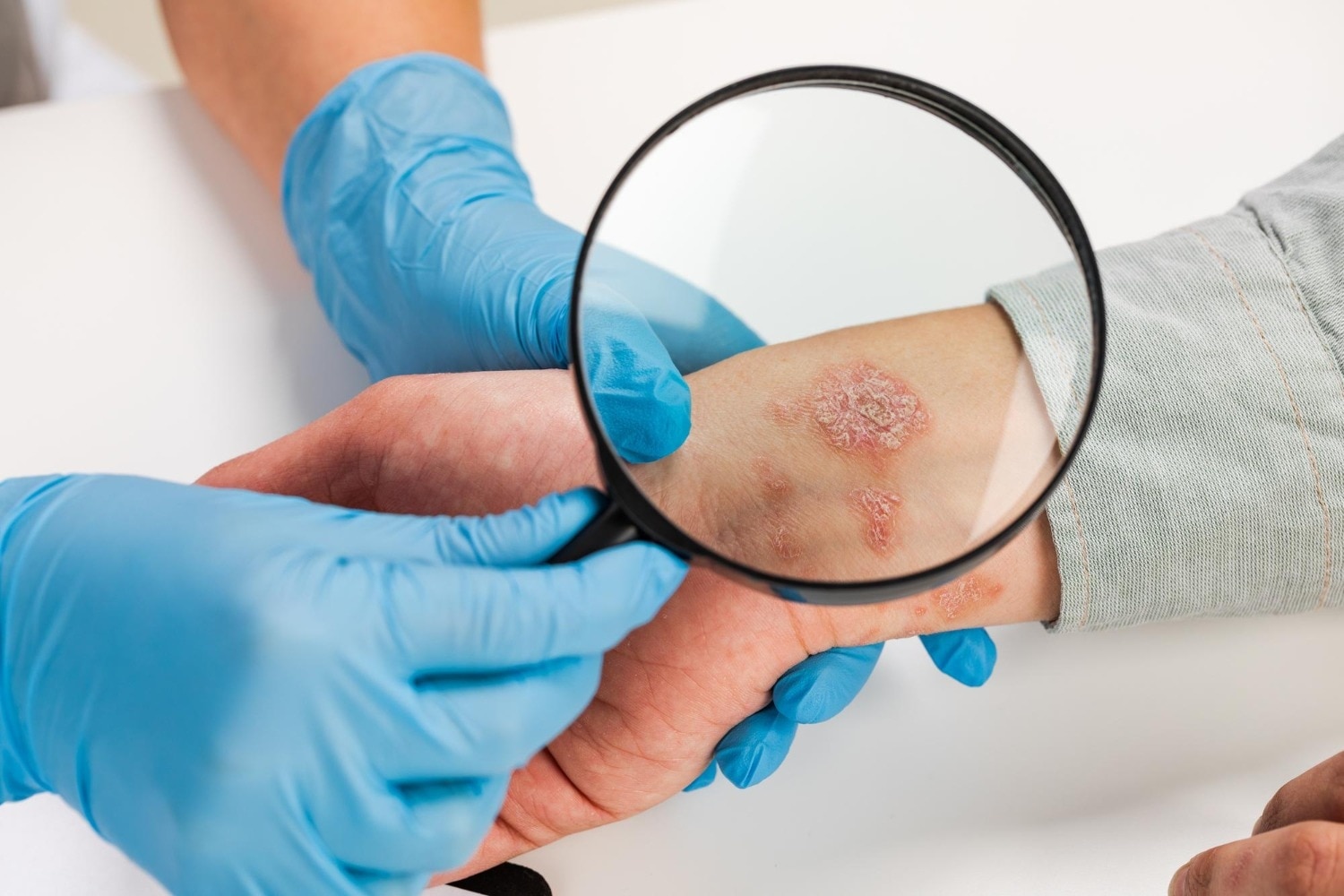
A ring-shaped rash is not proof of a FungalSkinInfection. Tinea often has a scaly, expanding edge with partial clearing in the centre, while candidiasis favours moist folds and can produce small satellite spots. Athlete’s foot between the toes, groin scaling, and scalp patches with broken hairs also support fungal disease.
| Condition | Clues that separate it from common fungal infection | What needs attention |
|---|---|---|
| Fungal infection | Scaly advancing border, partial central clearing, or moist fold rash; often starts on one site | Confirm persistent or unusual cases |
| Eczema | Dry, itchy, cracked skin without a distinct advancing edge; often recurrent | Triggers and personal atopy matter |
| Psoriasis | Sharply outlined, thicker plaques with silvery scale; scalp, elbows, knees, or nails are common | Nail changes can mimic fungus |
| Contact dermatitis | Rash matches an exposure, such as a watch strap, adhesive, detergent, or cosmetic | Remove the suspected irritant |
| Bacterial infection | Rapid spread, warmth, tenderness, swelling, pus, crusting, or fever | Seek prompt medical assessment |
| Scabies | Severe night-time itch, tiny bumps or burrows between fingers, on wrists, waist, or genitals; close contacts may itch | Household treatment requires clinical guidance |
Do not keep changing creams based only on appearance. For persistent or atypical disease, a clinician can scrape scale for potassium hydroxide (KOH) microscopy and request fungal culture or molecular testing. Steroid-containing creams can mask tinea and allow it to spread.
SkinInfectionCare also includes keeping folds dry, changing socks and underwear, and checking towels, footwear, pets, and household contacts when infection returns.
Recognising Tinea, Yeast, and Scalp Infection by Site and Pattern
Location often gives the first clue, but the border and surface matter more than colour. FungalSkinInfection can mean dermatophyte tinea, Candida yeast overgrowth, or pityriasis versicolor, and appearance alone cannot confirm the cause.
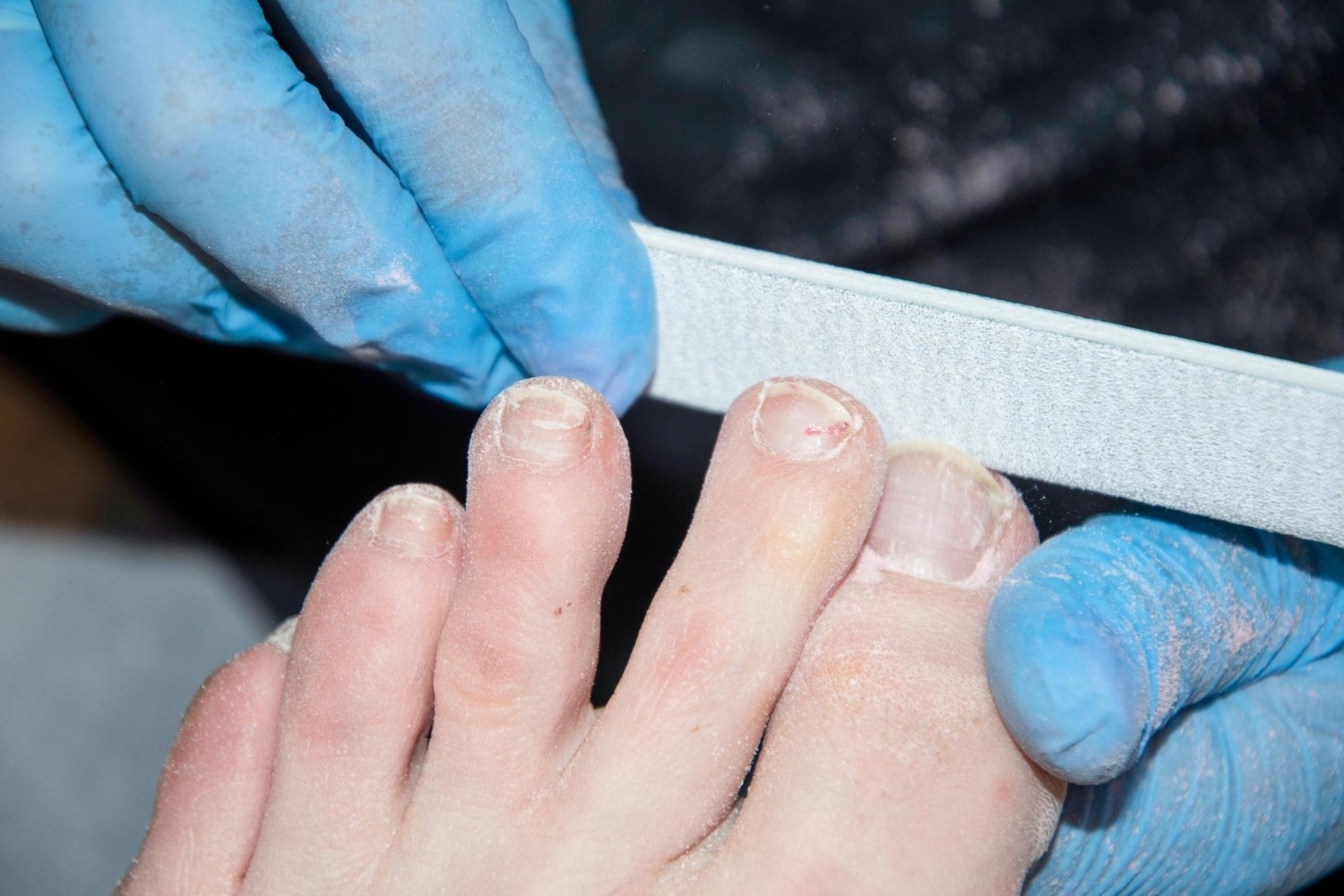
- Feet: Athlete’s foot usually starts between the toes as itchy, white, soggy peeling skin with cracks. A “moccasin” pattern spreads dry scale across the soles and sides.
- Body: Tinea corporis forms an enlarging ring or arc with a raised, scaly outer edge and clearer centre. Pityriasis versicolor instead causes many fine, powdery patches on the chest, back, neck, or shoulders that look lighter or darker than nearby skin.
- Groin: Tinea cruris produces an itchy, sharply bordered, scaly rash along the inner thighs and groin. It can spread outward from the crease.
- Skin folds: Candida favours moist areas beneath the breasts, abdomen, armpits, or groin. Look for a bright-red, tender, moist patch with small separate “satellite” spots near its edge.
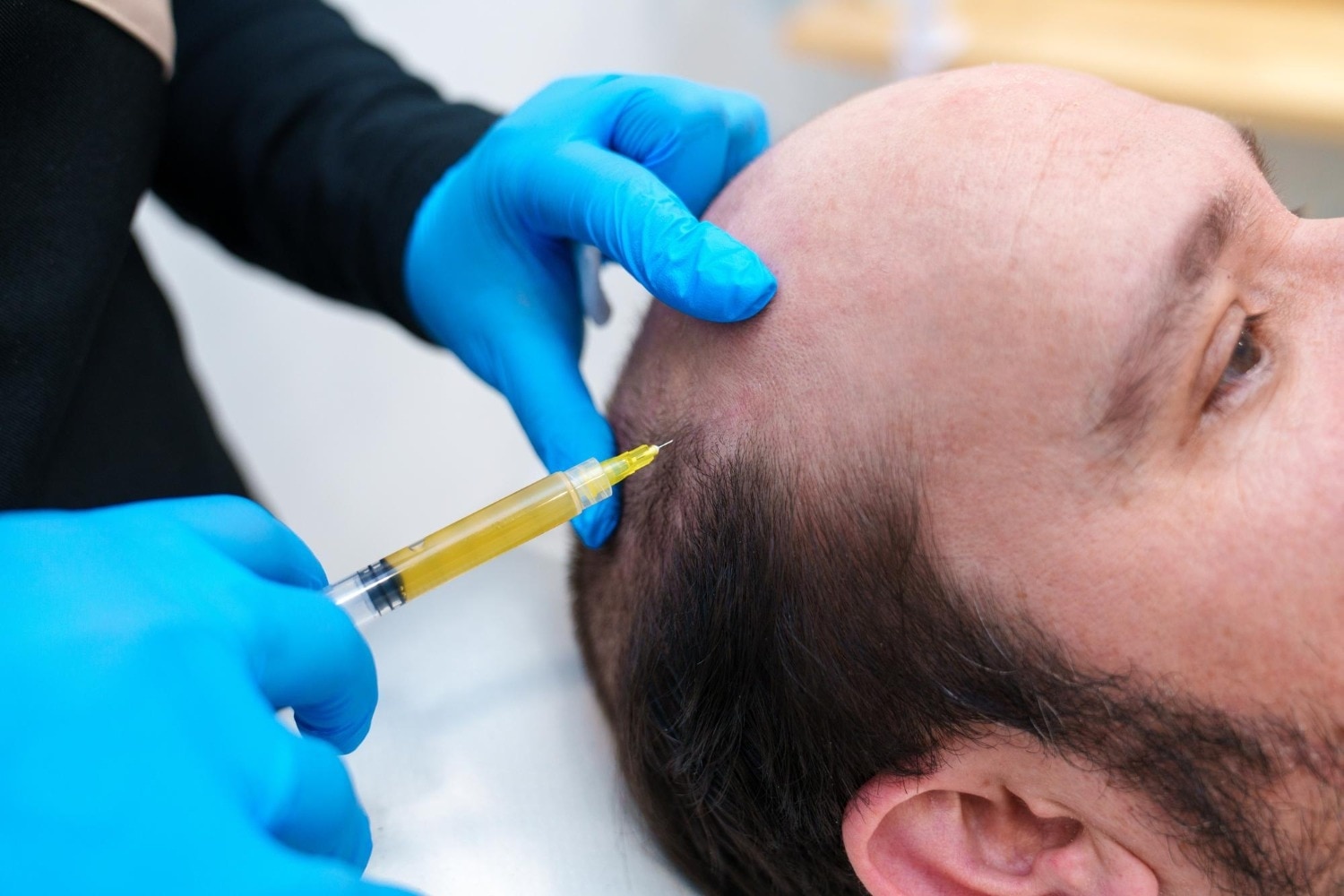
- Scalp: Tinea capitis causes scaling, broken hairs, black dots, or round areas of hair loss. A painful, boggy swelling called a kerion needs prompt care because delayed treatment can scar the scalp permanently.
Dry feet and folds thoroughly, change sweaty clothing, and choose breathable footwear. Scalp infection usually needs prescription medicine taken by mouth; creams do not reach the infected hair shaft.
How Clinicians Confirm the Cause Before Escalating Treatment
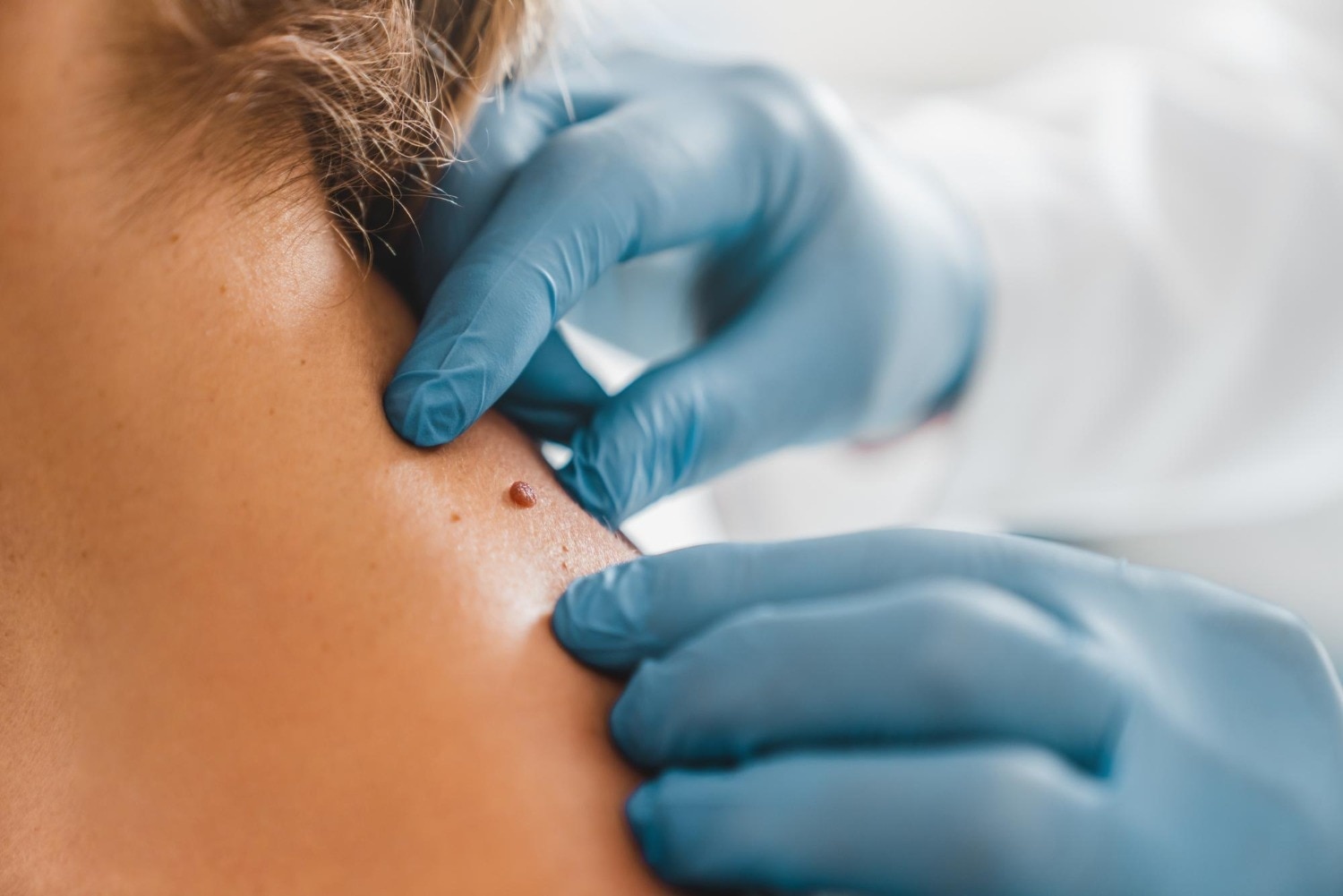
A clinician confirms a persistent rash, nail change, or scalp problem by examining its pattern and testing material from the affected site. Scale from the active edge, broken hairs, or nail debris provides better evidence than appearance alone.
A ring-shaped rash is not proof of a FungalSkinInfection because eczema, psoriasis, bacterial infection, and scabies can look similar.
- Skin scraping with potassium hydroxide (KOH) microscopy: KOH dissolves skin cells and leaves fungal hyphae or yeast visible under a microscope. A negative result does not always exclude infection if the sample is too small or treatment has already started.
- Fungal culture: The laboratory grows the organism from skin, hair, or nail material. It takes longer but helps when microscopy is negative, the infection is unusual, or oral treatment is being considered.
- Molecular testing: Polymerase chain reaction can identify fungal genetic material when available, especially in difficult or atypical cases.
- Nail clipping or biopsy: A clipping can support nail fungus testing; a biopsy is reserved for uncertain cases where psoriasis, trauma, inflammatory disease, or another condition remains possible.
| Sample | Main test | What it helps establish |
|---|---|---|
| Skin scale | KOH microscopy and culture | Dermatophyte or yeast infection |
| Nail clipping or subungual debris | KOH, culture, or histology | Fungal nail disease versus trauma or psoriasis |
| Scalp scale or plucked hair | KOH, culture, or molecular testing | Tinea capitis and the causative fungus |
Confirm the cause before prolonged oral medicine. Scalp ringworm usually needs systemic treatment, while nail treatment requires review of drug interactions and liver safety. In FungalInfectionTreatmentInPune, diagnosis checking matters more than choosing the strongest cream.
Using Antifungal Medicines Correctly—and Avoiding Tinea Incognito
Apply a topical antifungal to clean, completely dry skin, covering the visible rash and a small margin of normal-looking skin around its edge. Follow the prescribed frequency and complete the labelled course; stopping when itching settles can leave fungus behind and lead to apparent treatment failure.
- Do not use a corticosteroid cream alone on an undiagnosed rash. It can hide redness while the fungus spreads, creating tinea incognito.
- Do not self-start steroid-antifungal combinations for a persistent or changing rash. Ask for a diagnosis before continuing them.
- Seek medical supervision before oral terbinafine for nail or extensive infection, especially if you have liver disease or take regular medicines. It requires review for liver safety and drug interactions.
- Use itraconazole only with clinician guidance because the dose, absorption, liver risk, and medicine interactions vary. Tell the clinician about heart disease, pregnancy, and every prescription or over-the-counter medicine.
- Use fluconazole under supervision when infection is extensive, recurrent, scalp-related, nail-related, or unresponsive to topical treatment. Pregnancy, liver or kidney disease, and interacting medicines affect its safety.
- Get prompt assessment for scalp ringworm: creams do not penetrate the hair shaft adequately, and delayed treatment can cause kerion or permanent scarring hair loss.
Effective FungalInfectionTreatmentInPune is not a search for the strongest cream; it is matching treatment to the confirmed site and organism. Good SkinInfectionCare also checks whether steroid exposure, a nail disorder, or reinfection explains the persistent rash.
Stopping Recurrence: Moisture Control, Reinfection Checks, and Pune Care Decisions
A rash that returns after correct topical use needs a source check before a stronger medicine. Look between the toes, in skin folds, under nails, and on the scalp for untreated infection that can reseed nearby skin.
Check towels, socks, underwear, footwear, shared bedding, household contacts, and pets; wash fabrics and avoid sharing towels while identified sources receive treatment.
- Keep affected skin fully dry: dry between toes after bathing, change damp socks and underwear, choose breathable footwear, and avoid tight clothing over groin or folds.
- Review how the cream was used. Apply it to clean, dry skin, the visible rash, and its surrounding margin for the complete prescribed course. Stopping when itching settles leaves surviving fungus behind.
- List every product used on the rash, especially steroid-antifungal combinations. Steroids can flatten redness while allowing tinea to spread, creating tinea incognito.
- Check whether the remaining mark is active infection. Pityriasis versicolor can leave lighter or darker patches for weeks to months after the yeast is cleared.
- Arrange review if the rash persists, spreads, involves hair or nails, or returns repeatedly. A clinician may repeat examination, take a skin scraping for potassium hydroxide microscopy, and request fungal culture or molecular testing before prolonged oral treatment.
- Discuss pregnancy, liver disease, and all medicines before oral antifungals. The drug and duration depend on the organism and site; tablets are not interchangeable substitutes for creams.
FungalInfectionTreatmentInPune at Keratis Clinic - Best Skin Specialist-08048037869 can help match the next step to confirmed findings rather than recurrence alone. That is safer SkinInfectionCare.
Frequently asked questions
Which persistent rashes can look like fungal skin infections?
Eczema, psoriasis, contact dermatitis, bacterial infections, and steroid-altered tinea can resemble a FungalSkinInfection. A ring shape alone does not confirm fungus.
How do clinicians confirm whether a rash is fungal?
A clinician examines the site and pattern, then may collect skin scrapings for a potassium hydroxide test. Recurrent, unusual, or treatment-resistant cases may need fungal culture or another test.
Why should you avoid steroid creams for suspected tinea?
Steroids can reduce redness and itching while allowing dermatophytes to spread. This altered infection is called tinea incognito and often needs reassessment before treatment changes.
How can you reduce recurrence after fungal infection treatment in Pune?
Dry skin folds and toe spaces, change damp clothing, avoid sharing towels, clean footwear, complete the prescribed course, and check close contacts or pets when reinfection is suspected.
Keywords